Of all the natural disasters I cover on this site, flooding is the one that most consistently catches people off guard. Not because it’s unpredictable — in many cases flood warnings come hours or even days in advance. It catches people off guard because of a deeply human tendency to underestimate water.
People see a few inches of water in the street and think it looks manageable. They’ve driven through puddles their whole life. They decide to wait and see. And then the water keeps rising, faster than they expected, and what looked manageable thirty minutes ago is now a life-threatening situation.
Flooding is the most common and most costly natural disaster in the United States. It happens in every single state. It happens in deserts and in mountains, in cities and in rural areas, in places that have never flooded before and in places that flood regularly. No community is immune, and no amount of geographic confidence should replace a solid flood preparedness plan.
I haven’t experienced significant flooding personally. But I’ve studied it carefully, followed real flood events closely, and built my preparedness approach around guidance from FEMA, the National Weather Service, and emergency management professionals who deal with flood response regularly. What I share here reflects that research and the same practical preparedness principles that guide everything else on this site.
Why Flooding Kills People Who Think They’re Safe
Before we talk about preparation, I want to spend a moment on why flooding is so consistently deadly — because understanding the specific ways people die in floods helps clarify exactly what you’re preparing against.
Moving water is far more powerful than it looks. Six inches of fast-moving water can knock an adult off their feet. Twelve inches can carry away a small vehicle. Two feet of moving water can sweep away most cars and trucks. These numbers are not intuitive, which is why people make fatal decisions about crossing flooded roads every single year.
Turn Around, Don’t Drown is not just a slogan. Nearly half of all flood fatalities in the United States involve vehicles. People drive into flooded roadways and are swept away. The road surface beneath the water is invisible — you cannot see whether it’s intact, washed out, or eight feet deeper than you expect. If a road is flooded, treat it as impassable. No destination is worth your life.
Flash floods provide almost no warning. A flash flood can turn a dry creek bed into a raging torrent in minutes, triggered by heavy rain miles upstream that you may not even be aware of. People camping, hiking, or parked near low-lying areas have been killed by flash floods that arrived with no local warning whatsoever.
Floodwater is not clean water. This point came up in my hurricane preparedness post and it bears repeating here. Floodwater contains sewage, chemicals, agricultural runoff, fuel, bacteria, and debris. Contact with floodwater carries real health risks. Walking through it, driving through it, or allowing children to play in it are all decisions that can have serious consequences beyond the immediate physical danger.
The danger doesn’t end when the rain stops. Rivers and streams can continue rising for hours or days after rainfall has ended upstream. A flood that appears to be receding can surge again. Structures weakened by floodwater can collapse during cleanup. Mold begins developing within 24 to 48 hours of water intrusion and poses serious long-term health risks.
Know Your Flood Risk Before a Flood Happens
One of the most important steps in flood preparedness has nothing to do with gear or supplies — it’s simply understanding your specific risk.
Look up your flood zone. FEMA maintains flood maps for communities across the United States that show which areas are at high, moderate, and low risk of flooding. You can search your address at FEMA’s Flood Map Service Center online. Knowing whether you’re in a high-risk flood zone fundamentally changes how seriously you need to take flood preparedness and what specific steps make sense for your situation.
Understand that flood maps aren’t perfect. Significant flooding has repeatedly occurred in areas designated as low-risk or outside the 100-year flood plain. Climate patterns are changing, development alters drainage patterns, and aging infrastructure fails in ways that models don’t always anticipate. A low-risk designation reduces your risk — it doesn’t eliminate it.
Know the waterways near you. Identify every creek, river, drainage channel, and low-lying area within a mile of your home. Understand which direction water flows in your neighborhood during heavy rain. Drive your area after a heavy rainstorm and pay attention to where water pools and how quickly it drains. This knowledge is genuinely valuable when you’re making decisions during a flood event.
Know your evacuation routes. Identify at least two ways out of your neighborhood that use different roads and different directions. Flooding can cut off your primary route with very little warning. Having an alternate route already in your head — one you’ve actually driven — means you’re not making that decision under pressure while water is rising around you.
Flood Watches and Warnings: Know the Difference
The National Weather Service issues two types of flood alerts that mean very different things and require different responses.
A Flood Watch means conditions are favorable for flooding to develop. It’s a heads-up — flooding is possible, not certain. This is your cue to monitor the situation closely, review your plans, and make sure your supplies and go bag are ready.
A Flood Warning means flooding is occurring or is imminent. This is not a watch-and-wait situation. If local authorities are recommending or ordering evacuation, leave. If you’re in a flood-prone area and a warning is issued, begin moving to higher ground immediately without waiting for the situation to deteriorate further.
A Flash Flood Warning is the most urgent alert — it means a flash flood is occurring or will occur very soon and immediate action is required. If you receive a flash flood warning, move to higher ground immediately. Do not wait.
Sign up for your county or city’s emergency alert system so these warnings reach you directly on your phone. Don’t rely on watching the news or noticing a change in the weather yourself.
What to Do Before a Flood
Build your emergency kit with flooding in mind. The core of any good emergency kit applies here — water, food, first aid, light, communication, power, cash, and documents. For flooding specifically, add waterproof bags or dry bags to protect electronics and documents, rubber boots for moving through shallow floodwater if absolutely necessary, and extra changes of clothing and blankets in case of extended displacement.
Elevate valuable items and documents. If you live in a flood-prone area, keep important documents, electronics, and irreplaceable items stored above potential flood levels. A waterproof safe or container stored on an upper floor provides meaningful protection.
Know how to shut off your utilities. Water intrusion combined with live electrical systems is an electrocution risk. Know where your electrical panel is and how to shut off power to your home. Know where your main water shutoff is as well.
Consider flood insurance. Standard homeowner’s insurance does not cover flood damage. Flood insurance is available through FEMA’s National Flood Insurance Program and through some private insurers. If you live in a flood-prone area and don’t have flood insurance, you are taking a significant financial risk. Talk to your insurance agent about your options.
Prepare your home physically. If flooding is forecast and you have time, move furniture and valuables to upper floors. Use sandbags or water barriers around doorways and garage doors if you have them available. Clear gutters and drains of debris so water can flow away from your home as efficiently as possible. Disconnect electrical appliances in low-lying areas of your home.
Have your go bag ready to grab. Flood evacuations can happen quickly. Your bug out bag should be packed, accessible, and ready to go at a moment’s notice. If you have to think about where it is or what’s in it, it’s not ready enough.
What to Do During a Flood
If you are told to evacuate, evacuate. I want to be direct about this the same way I was in my hurricane post. Mandatory evacuation orders are issued when authorities have determined that staying puts lives at risk. They are not suggestions. The time and inconvenience of evacuation is nothing compared to the alternative.
Leave early. The longer you wait, the more roads will be flooded and the more dangerous your evacuation becomes. Take your go bag, your medications, your pets, and your important documents. Lock your home and go.
Never drive through flooded roads. I said this above and I’ll say it again because it cannot be overstated. If you encounter a flooded road, turn around. Find another route. The road surface beneath the water is invisible and potentially gone entirely. Your vehicle can be swept away in water that looks shallow from the driver’s seat.
If you’re trapped in a vehicle by rising water, get out immediately if you can do so safely and move to higher ground. If water is rushing past the vehicle and getting out is dangerous, move to the roof of the vehicle and signal for help. Do not stay inside a vehicle that is being swept by moving water.
If you’re trapped in your home by rising water, move to the highest floor. If water continues to rise, move to the roof. Signal for help with a flashlight, a whistle, or bright colored clothing. Call 911 and give your exact address. Do not attempt to swim through moving floodwater — the current, debris, and contamination make it extraordinarily dangerous.
If you must walk through floodwater, move in water no deeper than your knees, use a stick or pole to check the ground ahead of you for stability and depth, wear rubber boots if possible, and be aware of storm drains and drainage channels where the current can be much stronger than the surrounding water.
What to Do After a Flood
Do not return home until authorities say it is safe. Floodwater may still be rising. Structures may be compromised. Roads may be damaged. Wait for the official all-clear.
Document all damage before cleanup begins. Photograph and video everything — every room, every damaged item, every structural issue. This documentation is critical for insurance claims and disaster assistance applications.
Assume everything that touched floodwater is contaminated. Food, water, and any porous materials that came into contact with floodwater should be discarded. Use bottled water or boil tap water until authorities confirm the water supply is safe. Wear gloves, rubber boots, and protective clothing during cleanup.
Address mold immediately. Mold begins developing within 24 to 48 hours of water intrusion. Remove wet materials quickly, ventilate affected areas, and use appropriate cleaning products on hard surfaces. In cases of significant water damage, professional remediation may be necessary.
Be cautious about structural integrity. Floodwater can compromise foundations, walls, and floors in ways that aren’t visually obvious. If you have any concern about your home’s structural integrity, have it assessed by a professional before occupying it.
Watch for hazards during cleanup. Downed power lines, unstable structures, displaced wildlife, and contaminated debris are all common hazards in flood aftermath. Wear appropriate protective gear and move carefully.
Your Flood Emergency Kit
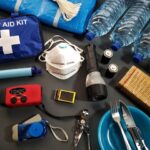
Water and food for a minimum of two weeks in a serious flood scenario — the same extended standard I apply to earthquakes. A battery-powered or hand-crank weather radio. Flashlights and headlamps with extra batteries. A quality first aid kit. Waterproof bags or dry bags for documents and electronics. Rubber boots and waterproof gloves for any necessary contact with floodwater. Cash. Copies of important documents including your insurance policies. Your go bag packed and ready. An inflatable boat if you live in a low-lying or flood-prone area — I covered this in my hurricane post and the same logic applies here. Staying above contaminated floodwater is far safer than moving through it.
A Final Word
Flooding doesn’t care about geography, income, or how long you’ve lived somewhere without a problem. It is the most widespread natural disaster in the United States and one of the most consistently deadly precisely because people underestimate it until the water is at their door.
The preparation isn’t complicated. Know your risk. Know your routes. Have your supplies ready. Take warnings seriously and leave when you’re told to leave.
And never, under any circumstances, drive through a flooded road. That decision has ended too many lives that didn’t need to end.
Stay ready.
Note: Some links in this post are affiliate links. If you purchase through them, I may earn a small commission at no extra cost to you. I only recommend gear I actually believe in.