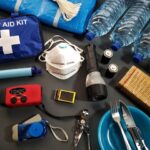
If there’s one piece of emergency gear I feel most strongly about, it’s the bug out bag. Not because it’s the most exciting thing to talk about — but because it’s the one thing that could make the difference between getting your family out safely and scrambling to find your shoes while the clock is running out.
I’ve been building and rebuilding go bags for years. My setup has changed significantly over time — as my family has grown, as I’ve learned what actually matters versus what just looks good on a list, and as I’ve adjusted for seasons, conditions, and the very different needs of a toddler versus an adult. What I have now looks nothing like what I started with, and that’s actually a good sign. It means I’ve been paying attention.
In this post I’m going to walk you through everything I’ve learned — what a bug out bag is, what goes in it, how to build one for your specific family situation, and — critically — how to maintain it so it’s actually ready when you need it.
What Is a Bug Out Bag?
A bug out bag — also called a go bag, a 72-hour bag, or a get out of dodge bag — is a pre-packed bag containing everything you and your family need to survive for at least 72 hours if you have to leave your home quickly and without warning.
The name comes from the military concept of “bugging out” — evacuating rapidly from a dangerous position. In civilian terms, it means getting your family out of harm’s way when staying home is no longer safe. That could be a hurricane evacuation, a wildfire bearing down on your neighborhood, a chemical spill nearby, civil unrest, a flood, or any number of scenarios where you need to move fast and can’t afford to spend twenty minutes deciding what to grab.
The critical word is pre-packed. A bug out bag that you have to assemble in the moment isn’t a bug out bag — it’s a pile of stuff. The entire point is that it’s ready to grab and go right now, at any hour, under any conditions.
Why 72 Hours?
The 72-hour standard comes from emergency management guidance — specifically the recognition that in a major disaster, it may take up to three days for organized relief efforts to reach affected areas. FEMA, the Red Cross, and virtually every emergency management organization recommends having at least 72 hours of supplies on hand.
I think of 72 hours as the floor, not the ceiling. My bags are built to sustain my family for at least three days, but I’d rather be able to stretch that to five or seven if conditions require it. The difference in weight and space is minimal, and the difference in capability is significant.
My Go Bag Evolution
When I first built my bug out bag, I made the classic beginner mistake — I packed for the scenario I imagined rather than the scenarios I’d actually face. The bag was heavy, poorly organized, and contained things that looked good on paper but would have been useless in a real evacuation.
Over the years I’ve stripped it down, rebuilt it, and refined it based on real experience, honest assessment, and changing family circumstances. The biggest change came when we had our toddler. Suddenly the bag that worked perfectly for two adults was completely inadequate. A toddler has entirely different needs — different food, diapers, comfort items, medications, and the simple reality that you may be carrying both the child and the bag at the same time. That changes everything about how you think about weight and organization.
I now maintain multiple bags — one for each member of the family, sized and packed appropriately for who’s carrying it. My toddler isn’t carrying gear, which means the adults are carrying more. That’s the reality, and your bag setup needs to reflect it.
What Goes in a Bug Out Bag
Let me walk you through the core categories. This isn’t an exhaustive shopping list — it’s a framework you can adapt to your family’s specific needs, size, and conditions.
Water and Hydration
Water is your most critical resource and your heaviest one. I keep at least one bottle of water in each bag — and I rotate it out regularly. Water stored in a bag for months can develop an off taste and in some containers may not be safe. I change mine out on a set schedule so I know what’s in there is fresh.
Beyond stored water, every bag should have a water filtration option. A quality filter straw or a compact filtration system means you can draw safe drinking water from streams, puddles, or other sources in the field. In an extended evacuation scenario this becomes essential. Water purification tablets are a lightweight backup worth including as well.
Food
Pack calorie-dense, lightweight, non-perishable food that requires no cooking. Energy bars, jerky, nuts, dried fruit, and compact emergency ration bars are all good options. I rotate my energy bars out seasonally — heat degrades them faster than most people realize, so what goes into the bag in spring gets swapped out in summer.
For a toddler, this category requires extra thought. Pack foods your child will actually eat under stress. This is not the time to introduce new foods. Familiar snacks, pouches, and easy-to-eat items that don’t require preparation are worth their weight.
Shelter and Warmth
Even if you plan to evacuate to a hotel or a family member’s home, plan for the scenario where that doesn’t work out. Emergency mylar blankets are ultralight and pack down to almost nothing. A compact tarp and some paracord give you the ability to rig basic overhead shelter.
Clothing is where seasonal adjustment matters most in my setup. In cold months, I pack warm layers, wool socks, and a hat for every member of the family. When warm weather arrives, those come out and a lightweight rain jacket goes in. You want to be prepared for wet conditions regardless of season, but you don’t need to carry a heavy fleece in July.
Hand warmers go in during cold months and come out in warm ones. They’re cheap, lightweight, and potentially critical if you’re caught outside in cold weather without adequate shelter.
First Aid
A well-stocked first aid kit is non-negotiable. Bandages, gauze, medical tape, antiseptic wipes, tweezers, and a CPR face shield are the basics. Add any prescription medications your family depends on — rotate these carefully to keep them current. Include children’s pain reliever and any specific medications your toddler needs.
Know how to use what’s in your kit. A first aid kit you’ve never opened is of limited value. Take a basic first aid course if you haven’t already — it’s one of the highest-return investments in preparedness you can make.
Light and Communication
Pack at least one flashlight per person with extra batteries, and a headlamp — headlamps are often more practical than handheld lights because they keep your hands free. A battery-powered or hand-crank weather radio keeps you connected to emergency broadcasts when cell service is down or your phone battery is dead.
Fully charge all your devices before any known threat. In a no-notice emergency, keep a portable battery bank in your bag so you can charge phones on the move.
Documents and Cash
Keep copies of your critical documents in a waterproof bag inside your go bag — IDs, passports, insurance policies, medical records, and a list of important contact numbers. Don’t rely on your phone being functional or accessible for this information.
Cash is essential. ATMs don’t work in a power outage, and many businesses in a disaster zone will only accept cash. Small bills are more useful than large ones. Keep enough to cover fuel, food, and lodging for several days.
Tools and Supplies
A multi-tool covers a remarkable range of needs in a small package. Add a fixed-blade knife, duct tape, paracord, a lighter, waterproof matches, and a whistle. A basic hand-crank or solar emergency radio doubles as a weather alert device and a morale booster during extended displacement.
Toddler-Specific Additions
If you have young children, their needs add meaningful weight and volume to your setup. In our case that means diapers and wipes, a change of clothes for multiple days, familiar comfort items, snacks they’ll actually eat, children’s medications, a compact first aid addition for pediatric needs, and something to keep them occupied during what could be a frightening and disorienting experience. A small familiar toy or book weighs almost nothing and its value in keeping a stressed toddler calm is enormous.
The Bag Itself
The container matters. You want a quality backpack with padded shoulder straps, a hip belt to transfer weight to your legs on long carries, and enough compartmentalization to keep things organized and accessible. You should be able to find your flashlight in the dark without unpacking everything.
Size your bag to what you can realistically carry while also potentially managing a toddler. An overloaded bag that slows you down or exhausts you in an hour is worse than a lighter bag that keeps you mobile. Ruthlessly eliminate anything that doesn’t earn its weight.
The Most Important Thing Most People Forget: Maintenance
A bug out bag you packed two years ago and haven’t touched since is not a bug out bag. It’s a false sense of security.
I rotate consumables on a regular schedule. Water gets swapped out. Energy bars get replaced. Medications get checked for expiration dates. Batteries get tested. Seasonal clothing gets swapped. Every few months I open every bag, check every item, and make sure everything is still functional, current, and appropriate for current conditions and current family needs.
Set a recurring reminder on your phone. Tie it to something you already do — the start of each season, daylight saving time changes, the first of the year. Whatever works for your routine. Just do it consistently.
Where to Keep Your Bug Out Bag
Your go bag does you no good locked in a storage unit across town. Keep it somewhere you can access it immediately — near your bedroom door, in a closet by the main exit, or in your vehicle if you spend significant time away from home. Every second you spend looking for your bag in an emergency is a second you’re not moving.
If you have multiple vehicles, consider keeping a smaller get home bag in each one — a lighter version designed to get you from wherever you are back to your family or to your designated meeting point.
A Final Word
The bug out bag is not a doomsday prop. It’s a practical tool for a practical reality — that emergencies happen, that they sometimes require you to leave home quickly, and that the families who move fast and move smart are the ones who come out the other side in the best shape.
Build yours. Maintain it. Adjust it as your family changes. And make sure every adult in your household knows where it is and what’s in it.
The goal isn’t to be ready for the end of the world. The goal is to be ready for the worst day of your life — and to make sure it doesn’t become the last one.
Stay ready.
Note: Some links in this post are affiliate links. If you purchase through them, I may earn a small commission at no extra cost to you. I only recommend gear I actually believe in.